As with many other animal species, the human species survives and functions by working in groups and societies. Group function and social psychology are important to survival. Love, loyalty, lust, friendship and tribalism are common human drives.
Humans’ greatest achievements are in one way or another the product of groups: science and technology, language, expansion of knowledge, art and literature, cities and government. As a society is premised on a particular way of thinking, history is filled with famous different thinkers who come into conflict with society.
People whose brains function differently than normal often and almost by definition have issues fitting in with society. This can range from ‘being weird’ and being an outsider to people who have serious functional issues, unable to hold a job or stay in school to being unable to communicate and even function in their day-to-day lives. Many people in prisons and who are homeless or jobless are mentally ill. Drug addiction and alcoholism are pathologized as mental disorders and many otherwise mentally ill self-medicate with drugs and alcohol.
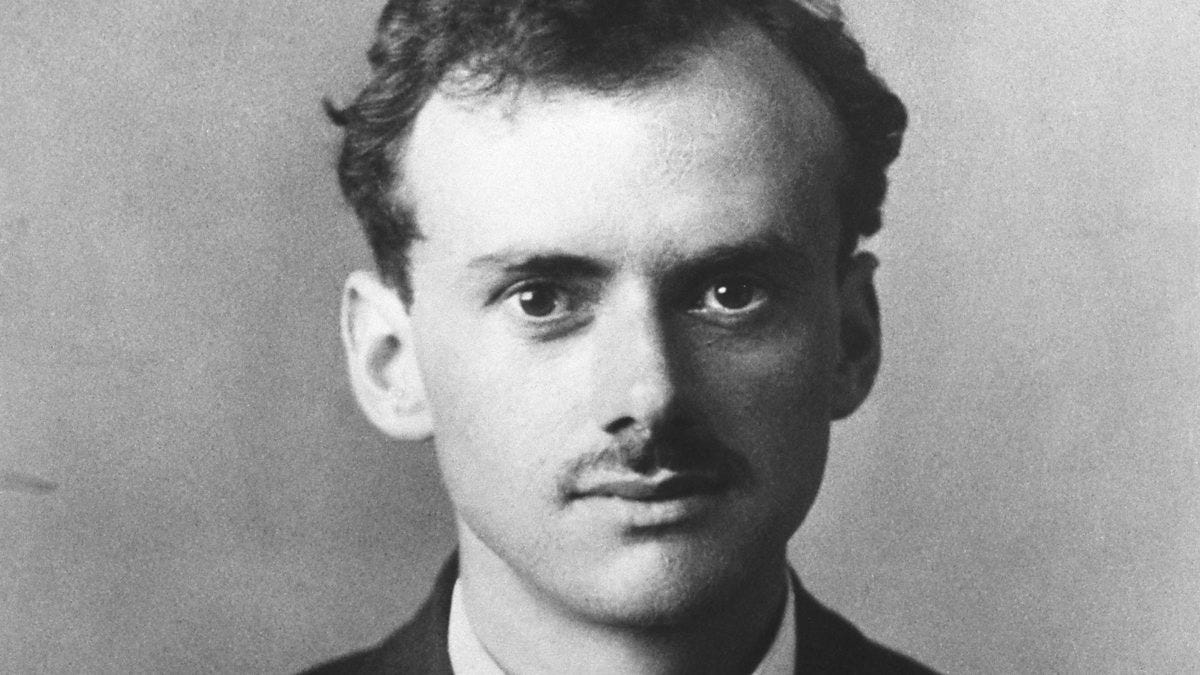
Famous different-thinking people often have functional issues. The autistic Paul Dirac required his wife to take care of daily things so he could focus on his work. He was one of the great scientific and mathematical intellects of his era and winner of the 1933 Nobel Prize in Physics but needed assistance to live his life. He was well known for his social deficits and peculiarities, and fellow Nobel Prize winner Niels Bohr called him “the strangest man.”
Many unique thinkers were outsiders or otherwise had complex relationships with society. Van Gogh was unable to fit in with society’s norms. The French novelist and playwright Jean Genet had longtime troubles with society, including being imprisoned and living a “deviant” lifestyle as defined by society.
Revolutionary religious thinkers from Jesus Christ to George Fox to Michael Servetus had novel views of the world that came into conflict with their societies. All three were labeled as crazy, Jesus and Servetus were killed, Jesus broke laws and Fox regularly was jailed.
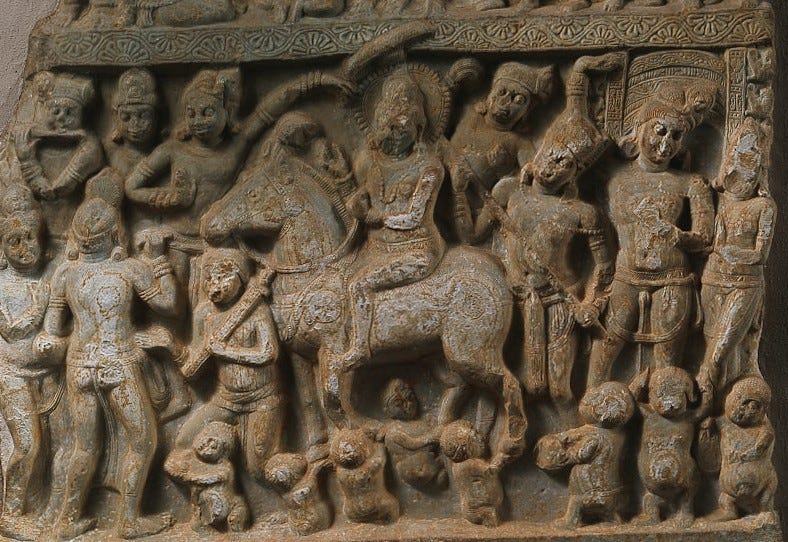
Religious pioneers such as Buddha and Leo Tolstoi felt they had to give up their wealth and leave normal society to pursue their spirituality. Muhammad left society to have his revelations. Leaving the day-to-day rat race to pursue spiritual or artistic dreams is an age-old story. In American Indian religions, it is called the vision quest.
This points out that a society’s norms are about functioning and not always about many other things such as knowledge and new information. Those in social power can feel threatened by and suppress new knowledge that might cause troubles with the social norms.
Scientists with new ideas, inventors and revolutionary artists almost by definition are people who think outside the social norms and traditions. Marquis de Sade, Louis-Ferdinand Celine, Caravaggio, Paul Gauguin and other revolutionary artists had aspects of their lives or work that lay outside even of today’s accepted social norms and rules. Go through the list of great artists, religious leaders and thinkers and observe how they came into conflict with society in one way or another.

Societies have a love-hate relationship with different thinkers. Different thinkers include criminals and social outcasts, but also inventors, scientists, political leaders and artists who contribute to society. Many great thinkers and knowledge will always remain hidden, as it is outside of the prevailing sentiments and fashions of its time, or lost in the happenstance of time and space, or unable to be translated into language itself.
How to organize groups and societies, questions of the rights of the individual versus the greater good, are constant debates without objective answers. There is no one right way to order a society or one way how to consider how the individual fits within society.
 Looking at Artifacts and Ideas